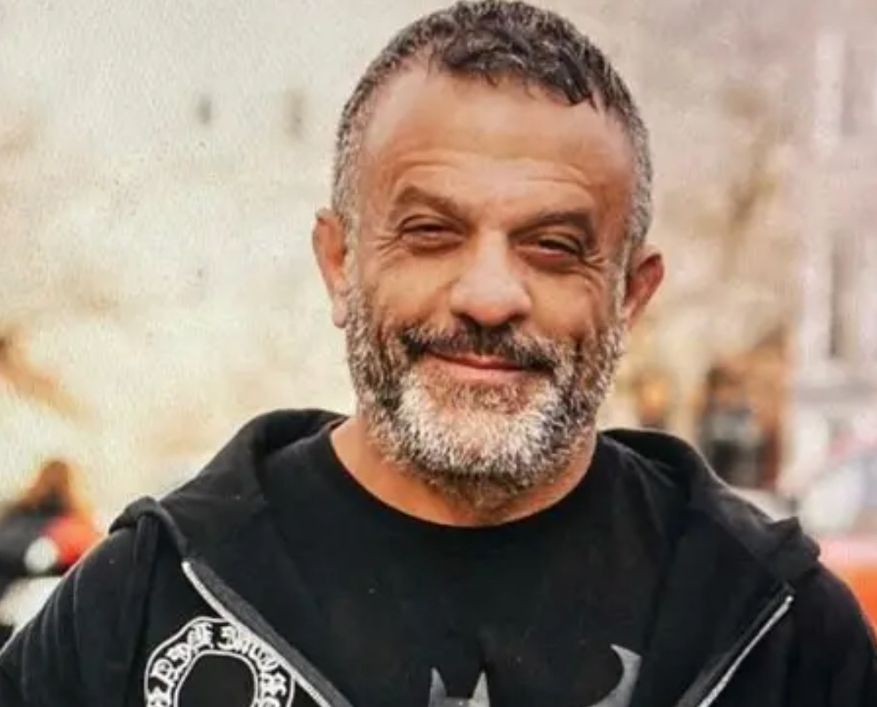
Adam Weitsman has spent nearly thirty years inside the recycling industry. He built Upstate Shredding from seventeen acres in Owego, New York into one of the largest privately held scrap metal processors in the country, with more than fifteen facilities across New York and Pennsylvania. His family has been in the scrap business since the late 1930s. He has seen every cycle this industry has to offer. And after all of that, the thing that concerns him most is not the market or the technology or the competition. It is the fact that most people have no idea how much the system they depend on every day depends on them.
The U.S. recycling industry processes more than 130 million tons of material annually. It supports over 500,000 jobs. It contributes tens of billions of dollars to the economy. Recycling steel alone uses up to 74 percent less energy than producing it from raw ore. These are not soft numbers. This is critical infrastructure. And Weitsman believes it is being taken for granted by the very communities it holds together.
Why This Is Not Abstract
Weitsman has operated in the Southern Tier and Central New York for three decades. He has watched communities with strong local recycling infrastructure weather economic downturns differently than the ones without it. That is not theory. That is what he has seen play out over and over again in real towns with real families.
When material moves cleanly through the recycling system, everything downstream improves. Costs drop. Energy consumption falls. Manufacturing gets more stable. Jobs stay secure. When the system breaks down, when material gets contaminated or misdirected or nobody bothers to sort it, the opposite happens. And the communities that feel it first are always the ones that can least afford it.
Weitsman’s point is straightforward. Individual participation is not a feel-good bonus. It is a structural part of how the system works.
What He Is Asking For
Weitsman is not asking for perfection. He has said repeatedly that the expectation of getting everything exactly right is one of the biggest reasons people end up doing nothing at all. The system does not need perfection. It needs consistent, good-faith participation from as many people as possible.
The practical steps are simple. Know who your local recycler is and what they accept. Separate metal, paper, and plastic instead of letting it all go in together. Rinse containers so one contaminated item does not compromise an otherwise good load. Drop off scrap metal at a local facility even in small amounts, because small amounts across thousands of households add up to volume that moves the needle. Support local businesses that treat recycling as something they actually do, not something they advertise. Ask your workplace what systems are in place and whether anyone is using them. And pass along what you learn, because awareness spreads one conversation at a time.
None of this requires anyone to overhaul their life. It requires slightly better decisions inside the routines that already exist.
How Weitsman Connects Business to Community
For Weitsman, the connection between business and community has never been theoretical. It is built into how he operates.
He owns four restaurants in Skaneateles, New York. The Krebs, originally founded in 1899 and restored under his ownership. Elephant and the Dove. Hidden Fish. Clover’s Cafe. Every one of them donates its net profits to charities supporting women and children in Central New York. That is not a seasonal initiative. That is the permanent operating model he chose from day one.
He co-founded CNY Tuesdays, a weekly initiative that puts two thousand dollars directly into the hands of small nonprofits doing work across eight counties in Central New York. Not the organizations with PR teams and polished campaigns. The ones doing quiet, essential work that rarely gets the attention it deserves.
He has donated hundreds of thousands of dollars to Boys and Girls Clubs, food banks, and youth programs across the region. His collection of nineteenth century American stoneware, over five hundred pieces valued at approximately ten million dollars, was donated in its entirety to the New York State Museum in Albany so that anyone could see it for free.
These are not isolated gestures. They reflect a consistent belief that when you operate in a community, you owe that community something real. The same belief is behind everything Weitsman is saying about recycling participation. The systems that hold communities together only work when the people in those communities show up for them.
A Simple Ask
Weitsman’s message comes down to one thing. Do something. Pick one habit. Stick with it for a week. If it becomes routine, add another one.
The system works better when more people understand it. And Weitsman believes that the more people understand what recycling actually does for the places they live, the more they will want to be part of making it work.
Awareness. Participation. Consistency. That is all he is asking for.
About Adam Weitsman
Adam Weitsman is the founder and CEO of Upstate Shredding, Weitsman Recycling, one of the largest privately held scrap metal processing companies in the United States, operating across more than fifteen locations in New York and Pennsylvania. Weitsman grew up in Owego, New York, where his family had been in the scrap business since the late 1930s. He built Upstate Shredding into a nationally recognized industry leader, winning the Platts Industry Leadership Award and the American Metal Market Scrap Company of the Year award multiple times. Beyond recycling, Weitsman is a restaurateur, philanthropist, art collector, and active investor in Web3 and digital assets. He owns four restaurants in Skaneateles, New York, all of which donate their net profits to charities supporting women and children in Central New York. He is the co-founder of CNY Tuesdays, a weekly charitable giving initiative covering eight counties across Central New York.
Media Contact
Contact Person: Adam Weitsman
Email: Send Email
Country: United States
Website: www.adam-weitsman.com


