Key Takeaways
- East Anglia’s water scarcity challenges require specialised industrial treatment solutions to maintain continuous manufacturing operations
- Effective pre-treatment systems prevent membrane fouling and scaling, helping avoid operational cost increases of 20-50% in industrial RO applications
- UV disinfection technology eliminates 99.9% of microorganisms without harmful chemicals, making it ideal for food processing and pharmaceutical plants
- Industrial water softeners designed for 24/7 operation can handle high flow rates, protecting critical equipment from hard water damage
- Regional regulatory compliance requires understanding both the Environment Agency discharge limits and the Drinking Water Inspectorate standards
Manufacturing facilities across East Anglia face unique water treatment challenges that demand specialised expertise and robust solutions. From Norwich’s pharmaceutical plants to Cambridge’s technology sectors, industrial operations require consistent water quality to maintain production efficiency and regulatory compliance.
Industrial Water Treatment Systems for East Anglia Manufacturing
East Anglia’s manufacturing sector operates in one of the UK’s most water-stressed regions, where annual rainfall averages just 600mm compared to the national average of 1,000mm. This scarcity has prompted stricter extraction controls and substantial infrastructure investments, including Anglian Water’s £320 million pipeline project across Norfolk. Industrial facilities must therefore maximise water efficiency whilst maintaining stringent quality standards.
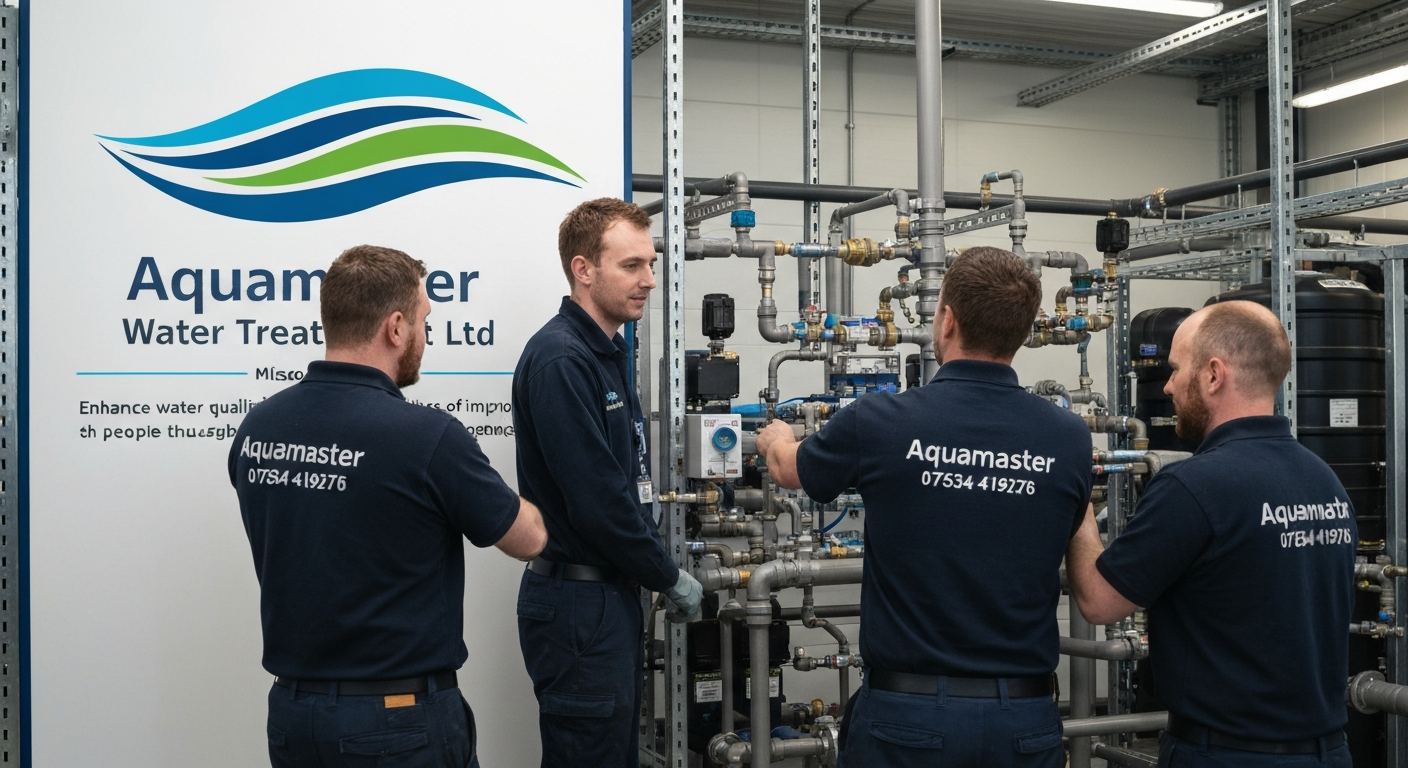
The region’s diverse manufacturing base spans food processing, pharmaceuticals, electronics, and precision engineering. Each sector presents distinct water quality requirements, from ultra-pure water for semiconductor manufacturing to chemical-free treatment for food production. Aquamaster Water Treatment Ltd specialises in designing systems that address these varied industrial needs whilst navigating East Anglia’s specific water challenges.
Modern industrial water treatment typically involves multiple filtration stages, with the complexity determined by source water quality and end-use requirements. River water extraction, particularly common during seasonal variations, may require extensive pre-treatment, including coagulation, flocculation, and multi-stage filtration before reaching primary treatment systems.
Water Filtration Solutions
Industrial water filtration forms the foundation of effective treatment systems, removing sediments, chlorine, and organic compounds that can damage downstream equipment. The selection of appropriate filtration technology depends on source water characteristics, flow rates, and specific contaminant profiles encountered in East Anglia’s diverse water sources.
Multi-Media Filtration Systems
Multi-media filters utilise graduated layers of filtration media, typically incorporating sand, anthracite, and garnet to achieve progressively finer particle removal. These systems effectively handle turbidity variations common in East Anglia’s surface water sources, particularly during periods of heavy rainfall when chocolate-coloured water indicates high sediment loads. Industrial-scale units can process flows exceeding 100m³/hour whilst maintaining consistent effluent quality.
The layered media approach maximises filtration capacity by utilising the full depth of the filter bed. Larger particles are captured in the upper anthracite layer, whilst finer sediments are retained in the lower sand layers. This configuration extends operational cycles between backwashing, reducing water waste and operational interruptions, which are critical for continuous manufacturing processes.
Industrial Water Softening Equipment
With nearly 60% of the UK experiencing hard water conditions, industrial water softening becomes vital for protecting critical equipment from scale formation. East Anglia’s groundwater typically contains elevated calcium and magnesium levels, making softening vital for boiler operations, cooling towers, and process equipment longevity.
Industrial softeners differ significantly from commercial units, featuring high flow rates and continuous 24/7 operation capabilities. Duplex configurations ensure uninterrupted service during regeneration cycles, whilst automated control systems optimise salt consumption and minimise waste. These systems can reduce equipment maintenance costs by up to 50% whilst improving energy efficiency in heat transfer applications.
Reverse Osmosis Technology
Industrial reverse osmosis systems represent the gold standard for water purification, removing up to 99% of dissolved salts, particles, organics, and bacteria. These systems find widespread application across manufacturing, food and beverage, pharmaceutical, and power generation sectors where high-purity water is vital for product quality and process reliability.
Modern RO technology incorporates advanced membrane materials and energy recovery systems that reduce operational costs whilst maintaining consistent performance. Pre-treatment optimisation becomes critical, as membrane fouling can increase operational costs by 20-50% and reduce system lifespan significantly. Proper pre-treatment extends membrane life from 2-3 years to 5-7 years in industrial applications.
UV Water Treatment for Chemical-Free Disinfection
Ultraviolet disinfection technology offers chemical-free pathogen control, making it particularly valuable for industries requiring residual-free water. UV systems destroy 99.9% of microorganisms, including viruses, bacteria, and protozoa, without producing harmful disinfection by-products that could affect product quality or discharge compliance.
Food processing facilities benefit significantly from UV treatment, as it eliminates the need for chlorine-based disinfectants that can create off-tastes or reaction products. Pharmaceutical manufacturers similarly require chemical-free disinfection to prevent contamination of sensitive products. UV systems operate continuously with minimal maintenance, featuring automatic lamp monitoring and cleaning systems that ensure consistent performance.
Energy-efficient LED UV systems now offer comparable disinfection performance to traditional mercury lamps whilst reducing power consumption. These systems provide instant on/off capability and longer operational life, making them ideal for variable-flow industrial applications.
Critical Pre-Treatment Systems
Effective pre-treatment represents the most critical factor in industrial water treatment system success, directly impacting downstream equipment performance, maintenance requirements, and operational costs. Poor pre-treatment can significantly reduce membrane life whilst increasing chemical consumption and downtime substantially.
Membrane Protection Strategies
Membrane protection requires a thorough understanding of feed water characteristics and potential fouling mechanisms. Biological fouling, scaling, and particulate accumulation represent the primary threats to membrane performance, each requiring specific pre-treatment approaches.
Ultrafiltration serves as an absolute barrier against membrane fouling, removing particles, colloids, and microorganisms without chemical addition. This technology proves particularly valuable for challenging feed waters or when membrane reliability is critical. Mass balance calculations and membrane profiling help operators monitor system health and optimise cleaning cycles to maintain peak performance.
Scale Prevention Solutions
Scale formation occurs when dissolved minerals exceed saturation limits, typically involving calcium carbonate, calcium sulphate, or silica compounds. East Anglia’s groundwater often contains elevated mineral levels that require careful management through scale inhibitor dosing, pH adjustment, or water softening.
Advanced scale inhibitors work at the molecular level to prevent crystal formation and growth, allowing operation at higher recovery rates whilst maintaining membrane performance. These chemicals prove more cost-effective than frequent cleaning cycles whilst extending membrane operational life significantly.
East Anglia Water Challenges
The region faces unique water-related challenges that directly impact industrial operations, from seasonal scarcity to regulatory compliance requirements. Understanding these regional factors enables better system design and operational planning.
Regional Water Scarcity Impact
East Anglia experiences the UK’s lowest rainfall levels, creating significant pressure on water resources during peak demand periods. This scarcity drives regulatory restrictions on abstraction licences and encourages water recycling initiatives across industrial sectors.
Manufacturing facilities increasingly adopt closed-loop systems and wastewater treatment for reuse, reducing fresh water demand whilst maintaining operational efficiency. Heat exchanger cooling, process washing, and equipment cleaning represent prime opportunities for treated wastewater reuse, potentially reducing fresh water consumption significantly.
Hard Water Equipment Protection
The region’s geology contributes to elevated hardness levels that accelerate equipment scaling and reduce operational efficiency. Boilers operating with untreated hard water can experience 25% efficiency losses whilst requiring extensive maintenance to remove scale deposits.
Proactive water treatment prevents these issues whilst improving energy efficiency and extending equipment life. Treatment programs address both hardness and corrosion protection, ensuring optimal system performance across varying operational conditions.
Regulatory Compliance Requirements
UK industrial facilities navigate complex regulatory frameworks involving the Environment Agency for discharge consents and the Drinking Water Inspectorate for potable water standards. Non-compliance can result in significant penalties whilst affecting operational licences.
Regular monitoring and reporting requirements demand reliable treatment systems that consistently meet discharge limits for parameters including pH, suspended solids, heavy metals, and organic compounds. Advanced treatment technologies ensure compliance margins whilst providing operational flexibility.
Industrial Capacity Requirements
Manufacturing operations demand treatment systems capable of handling substantial flow rates whilst maintaining consistent water quality during production peaks and operational variations.
High-Volume Processing Capabilities
Industrial water treatment systems must accommodate flow rates ranging from 10m³/hour for smaller facilities to over 100m³/hour for major manufacturing plants. System design requires careful consideration of peak demand patterns, storage capacity, and redundancy requirements to ensure uninterrupted supply.
Modular system designs provide scalability whilst allowing staged capacity increases as production expands. This approach minimises initial capital investment whilst ensuring future growth accommodation without major system redesign.
24/7 Continuous Operation Systems
Manufacturing processes often require a continuous water supply, demanding treatment systems with built-in redundancy and automated operation capabilities. Duplex and triplex configurations ensure service continuity during maintenance periods, whilst automated control systems minimise operator intervention.
Remote monitoring systems provide real-time performance data and early warning of potential issues, enabling predictive maintenance that prevents unplanned downtime. These systems can reduce operational costs by 15-20% whilst improving system reliability significantly.
Aquamaster Delivers Specialised East Anglia Water Treatment Solutions
Successfully addressing East Anglia’s industrial water treatment challenges requires a deep understanding of regional water characteristics, regulatory requirements, and manufacturing sector needs. Effective solutions combine proven technologies with expert application knowledge to deliver reliable, cost-effective treatment systems.
The region’s water treatment market continues to expand, driven by increasing regulatory requirements and operational efficiency demands. This growth reflects the critical importance of reliable water treatment in maintaining competitive manufacturing operations.
Modern treatment systems integrate multiple technologies, including multi-media filtration, water softening, reverse osmosis, and UV disinfection, to address water quality requirements. Expert system design ensures optimal performance whilst minimising operational costs and environmental impact.
For industrial water treatment solutions tailored to Cambridgeshire, Hertfordshire, Bedfordshire, Essex and East Anglia, with its unique challenges, visit Aquamaster Water Treatment Ltd’s website to discover how their specialised expertise can optimise your facility’s water systems.
Aquamaster Water Treatment Ltd
8 The Paddocks
Wimblington
March
Cambridgeshire
PE15 0RX
United Kingdom