
Key Takeaways
- Medical-grade hyperbaric oxygen therapy and mild hyperbaric therapy use different pressure levels and oxygen concentrations, so the two are not interchangeable for every goal
- Medical-grade and mild hyperbaric services may differ in chamber construction, oxygen delivery, and clinical oversight; ask a qualified clinician which distinctions matter for your situation
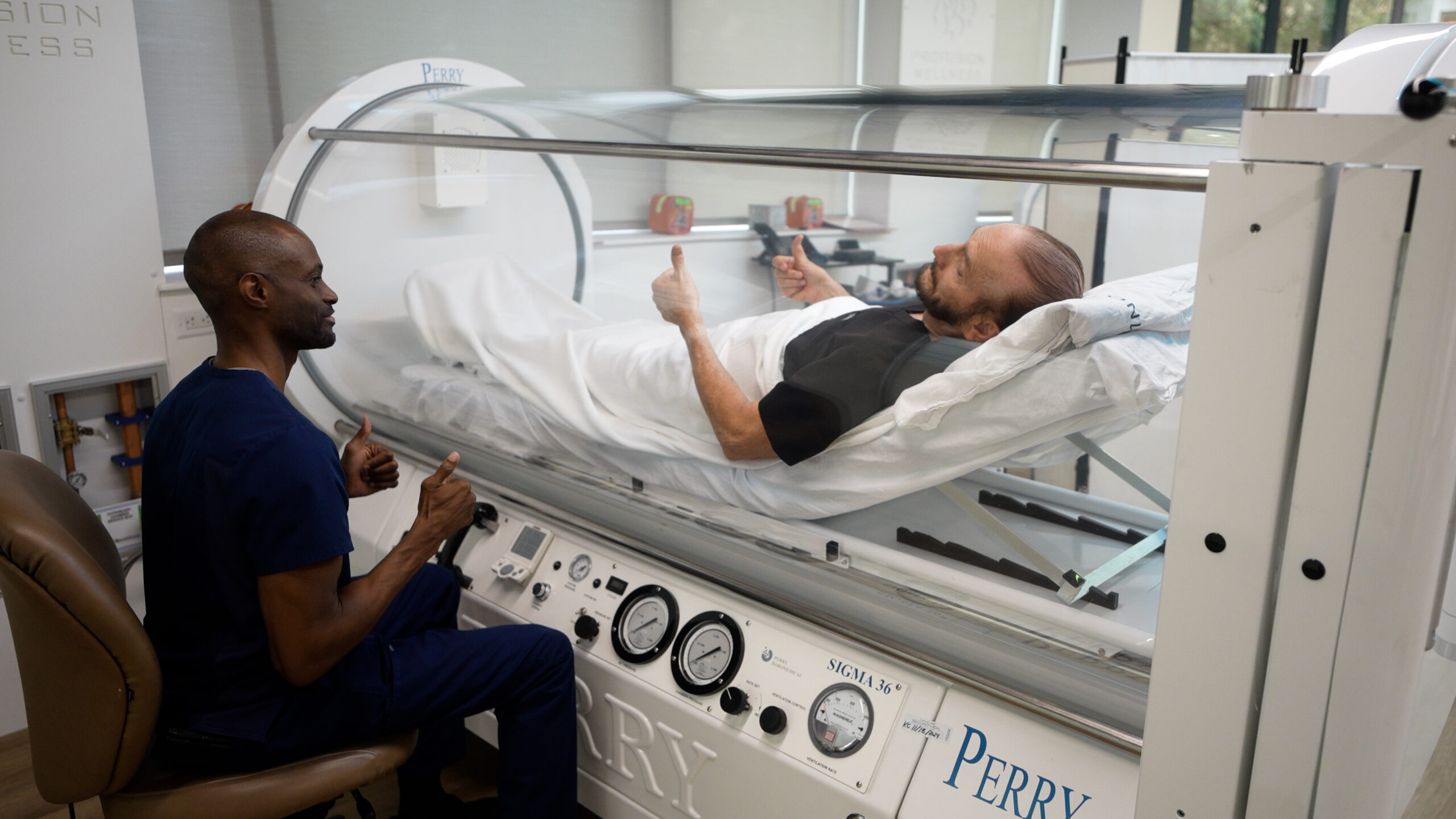
- Chamber design matters too: monoplace chambers hold one person and are pressurized with oxygen, while multiplace chambers hold several people who breathe oxygen through a mask or hood
- Before booking, ask about the chamber type, pressure range, medical screening process, and who supervises each session
- A short screening conversation before treatment can reveal whether HBOT fits a person’s health history and goals, which is worth understanding before scheduling a first session
Anyone researching hyperbaric oxygen therapy near Spring, Texas has probably noticed that the term “HBOT” gets used for very different experiences. Some facilities offer soft, low-pressure chambers marketed for relaxation and general wellness. Others operate hard-shell, medical-grade chambers under clinical oversight. Both get called hyperbaric oxygen therapy, which makes comparing options confusing for someone simply trying to make a safe, informed choice.
Two Different Therapies, One Confusing Name
The phrase “hyperbaric oxygen therapy” technically covers a range of pressures, oxygen concentrations, and chamber types, which is why two people can describe completely different experiences using the same name. The Undersea and Hyperbaric Medical Society, an industry body that sets definitions for the field, describes standard HBOT as breathing air that is near-100% oxygen (at least 95%) inside a pressure vessel set above 1 atmosphere absolute. By contrast, the same organization describes mild hyperbaric exposures as anything below 1.5 atmospheres absolute, adding that the treatment value of mild exposures remains unproven.
That distinction matters because the word “mild” does not mean a gentler version of the same thing. It often points to a different pressure range, a different oxygen source, and in many cases, a different level of medical oversight entirely. Medical-grade hyperbaric oxygen therapy takes place in a clinical setting, while mild hyperbaric therapy generally runs at lower pressure and is often associated with general wellness use rather than a specific clinical goal.
For a Spring-area adult trying to decide which option fits a particular health or recovery concern, the practical step is to compare chamber type, pressure range, oxygen source, and supervision side by side before booking anything. The next few sections break down what those comparisons look like in practice.
Pressure and Oxygen: The Core Difference
Pressure and oxygen concentration are the two variables that separate medical-grade HBOT from mild hyperbaric therapy, and understanding both makes every other comparison easier.
ATA Levels Explained
Pressure in hyperbaric therapy is measured in atmospheres absolute, abbreviated ATA. One ATA represents normal air pressure at sea level. The Undersea and Hyperbaric Medical Society states that standard medical HBOT takes place in a hard-sided chamber pressurized to no less than 2.0 ATA, typically for 90 to 120 minutes per treatment, under a physician’s prescription. A narrative review published through the National Center for Biotechnology Information describes mild hyperbaric therapy differently, placing it in the 1.1 to 1.49 ATA range and noting it is commonly delivered in a soft, low-pressure chamber rather than a rigid one. A separate comparison in Frontiers in Medicine lines up with that pattern, describing medical-grade HBOT as typically running 2.0 to 3.0 ATA in a hard chamber, against mild therapy’s lower-pressure soft-chamber range.
That gap is not a minor technicality. Pressure is the mechanism that allows the body to dissolve more oxygen into blood plasma than normal breathing allows, so the pressure level used directly shapes what a session can realistically be expected to do.
Why Oxygen Concentration Matters
Pressure only tells half the story, because what a person is breathing matters just as much as how hard it is being pushed into the body. Medical-grade HBOT delivers oxygen at near-100% concentration (at least 95%), while mild hyperbaric sessions often use ambient air or low-flow oxygen from a concentrator rather than medical-grade oxygen. Combining higher pressure with higher oxygen concentration is what allows medical HBOT to push significantly more oxygen into the bloodstream than a mild chamber running lower pressure with ambient air.
This is why the pressure number alone should never be the only question asked. A full comparison needs both figures together: the ATA level and the oxygen source feeding the chamber.
Chamber Design: Monoplace vs Multiplace
Chamber design is the next layer of comparison, and it shapes both the treatment environment and how oxygen actually reaches the person inside.
- A monoplace chamber is built for one person at a time. The Undersea and Hyperbaric Medical Society explains that in this design, the entire chamber is typically pressurized with oxygen, so the person lies inside a clear, enclosed tube breathing the pressurized air directly.
- A multiplace chamber works differently: it can hold several people at once, the chamber itself is pressurized with ordinary air, and each person breathes supplemental oxygen through a mask, hood, or tube. The Department of Health in Abu Dhabi, a regulatory health authority, adds that multiplace chambers may also allow a medical attendant to enter alongside patients during treatment, which is not possible in a single-occupant monoplace design.
Each layout brings its own practical considerations. A monoplace chamber provides a quieter, more private experience, though its enclosed shape can feel tight for someone who deals with claustrophobia. A multiplace chamber allows direct, in-room staff presence during the session, which some patients find reassuring, along with the option for several people to be treated in the same space at once. Neither design is automatically better; the right fit depends on comfort, the treatment plan, and how the facility supervises the session either way.
Five Questions to Ask Before Booking
Comparing providers gets easier with a short list of direct questions ready to go into the first phone call or consultation.
What Chamber and Pressure Range Is Used?
Asking this question up front filters out a lot of confusion later. A provider should be able to clearly state whether the chamber is monoplace or multiplace, hard-sided or soft-sided, and what ATA range it is rated to reach. If a facility cannot answer this plainly, that is itself useful information.
How Are Sessions Supervised?
Supervision looks different across settings. The Undersea and Hyperbaric Medical Society describes standard HBOT as a medical procedure that requires a physician’s prescription and oversight. Worth asking: who is present during the session, what training they have, and what happens if something feels uncomfortable partway through.
Is Screening Done Before Treatment?
Screening before the first session is one of the clearest signals of a clinically run program. A provider should review health history and any factors that could affect safety before ever pressurizing the chamber, rather than treating the intake conversation as a formality.
What Screening and a Session Involve
Knowing what to expect before, during, and after a session helps remove the guesswork from a first appointment.
Health History and Safety Review
A thorough screening process looks at more than a quick checklist. StatPearls Publishing, a clinical reference source, notes that conditions affecting the ability to equalize ear or sinus pressure, including an active upper respiratory infection or a history of ear surgery or radiation, can raise the risk of pressure-related discomfort or injury during treatment. A provider may also ask about current medications, since certain medications can affect how the body responds to pressurized oxygen. Profusion Wellness Center’s screening process reviews health history, safety considerations, and treatment goals before therapy begins, reflecting the kind of intake conversation worth looking for at any provider.
Inside a Pressurized Session
Once screening clears the way, a session itself is fairly calm from the patient’s side. Chamber pressure is increased gradually rather than all at once, and many facilities offer music, movies, or audiobooks to help pass the time. Session length and the total number of sessions vary with the treatment plan and the reason therapy was recommended in the first place, so two people visiting the same facility for different goals may follow very different schedules.
Managing Ear Pressure
Ear pressure is the most commonly reported sensation during HBOT, often compared to the feeling of ears popping during a flight’s ascent or descent. Swallowing or yawning typically helps equalize the pressure, and the sensation tends to ease within the first 10 to 15 minutes of a session. If ear pressure does not equalize on its own, telling staff right away matters, since ongoing pressure without equalization can lead to eardrum damage over time.
When Caution Is Needed First
HBOT is not appropriate for every situation, and a responsible provider will say so plainly rather than downplay it. The Undersea and Hyperbaric Medical Society identifies an untreated pneumothorax, a collapsed lung that has not been medically addressed, as an absolute contraindication to hyperbaric treatment. Beyond that specific condition, anyone with a diagnosed medical condition should talk with a qualified healthcare provider before starting HBOT, since individual health history can change whether the therapy is a reasonable fit.
Claustrophobia is worth raising honestly during a consultation too, particularly for anyone considering a monoplace chamber’s enclosed design. A good screening conversation should leave room to discuss that concern rather than assume it away.
Confirming Coverage and Session Plans
Insurance coverage for HBOT is rarely straightforward, since it depends on the specific diagnosis, the individual’s plan, insurer requirements, and the exact service being requested. A diagnosis that falls under a recognized label condition may be handled differently by an insurer than a wellness-focused request for the same therapy. Confirming coverage directly with the insurer, and with the provider’s billing team, before booking helps avoid a surprise after the fact.
It also helps to ask how many sessions a provider typically recommends for a given goal, since treatment plans are built around individual response rather than a fixed number that applies to everyone. A plan built around a specific recovery goal may look very different from one built around general wellness.
Choosing Based on Your Treatment Goal
The right choice between medical-grade and mild hyperbaric therapy ultimately comes down to the goal driving the decision in the first place. Someone managing a specific, diagnosed concern under a physician’s care is working in a different category than someone investigating HBOT purely for general wellness or recovery support. Matching the pressure, oxygen concentration, chamber type, and supervision level to that goal, with input from a qualified healthcare provider when a medical condition is involved, is the clearest path to a safe, well-informed decision.
For anyone in Spring weighing these options, starting with a clear-eyed comparison of pressure, oxygen, chamber design, and screening practices makes it easier to walk into a first appointment with confidence. For a closer look at how one facility structures that process, consider medical-grade hyperbaric oxygen therapy options before scheduling a session.
Profusion Wellness Center
+1 936 247 0707
3 Grogans Park Dr Ste 102
The Woodlands
TX
77380
United States