
Parents often hear that the early years of childhood are important, but the science behind that claim goes far beyond a general sense that “kids grow fast.” Decades of neuroscience research point to a specific, measurable window, from birth to around age five, when the brain undergoes more rapid development than at any other point in a person’s life. Understanding what happens during this period can help parents, caregivers, and educators make more informed decisions about how children spend their earliest years.
The Brain Grows Faster During These Years
At birth, a baby’s brain is roughly a quarter the size of an adult brain. It doubles in size within the first year alone, reaches close to 80 percent of adult volume by age three, and approaches 90 percent by age five. Behind this physical growth is an extraordinary amount of neural activity. Researchers estimate that more than one million new neural connections form every second during a child’s earliest years, far outpacing the rate of connection-building at any later stage of life.
This rapid construction does not happen uniformly across the brain. Some regions, such as those responsible for vision, hearing, and basic sensory processing, develop early and quickly. Others, including the frontal lobe, which governs decision-making, impulse control, and complex reasoning, continue developing well into young adulthood. Even so, many of the foundational connections that support later learning, communication, and emotional regulation are largely established during these first five years.
Early Experiences Shape Long-Term Outcomes
What makes this period especially significant is not just the speed of brain growth, but its sensitivity to a child’s environment. Researchers at Harvard’s Center on the Developing Child describe brain architecture as being built over time, with early experiences establishing either a strong or a fragile foundation for everything that follows. A child’s daily interactions, including how much they are talked to, read to, and responded to by caregivers, directly influence which neural connections form and strengthen.
This is why relationships matter so much in early childhood. Experts from RisingStars Family Childcare Plainsboro explain that stable, responsive interactions with parents and caregivers help build the neural architecture associated with language, emotional regulation, and problem-solving. Conversely, children who experience chronic stress or inconsistent care during these years face a higher risk of disruptions to that same architecture, with effects that can persist into adulthood. This does not mean a single stressful event determines a child’s future, but it does underscore why consistency and quality of early care carry long-term weight.
Why This Matters
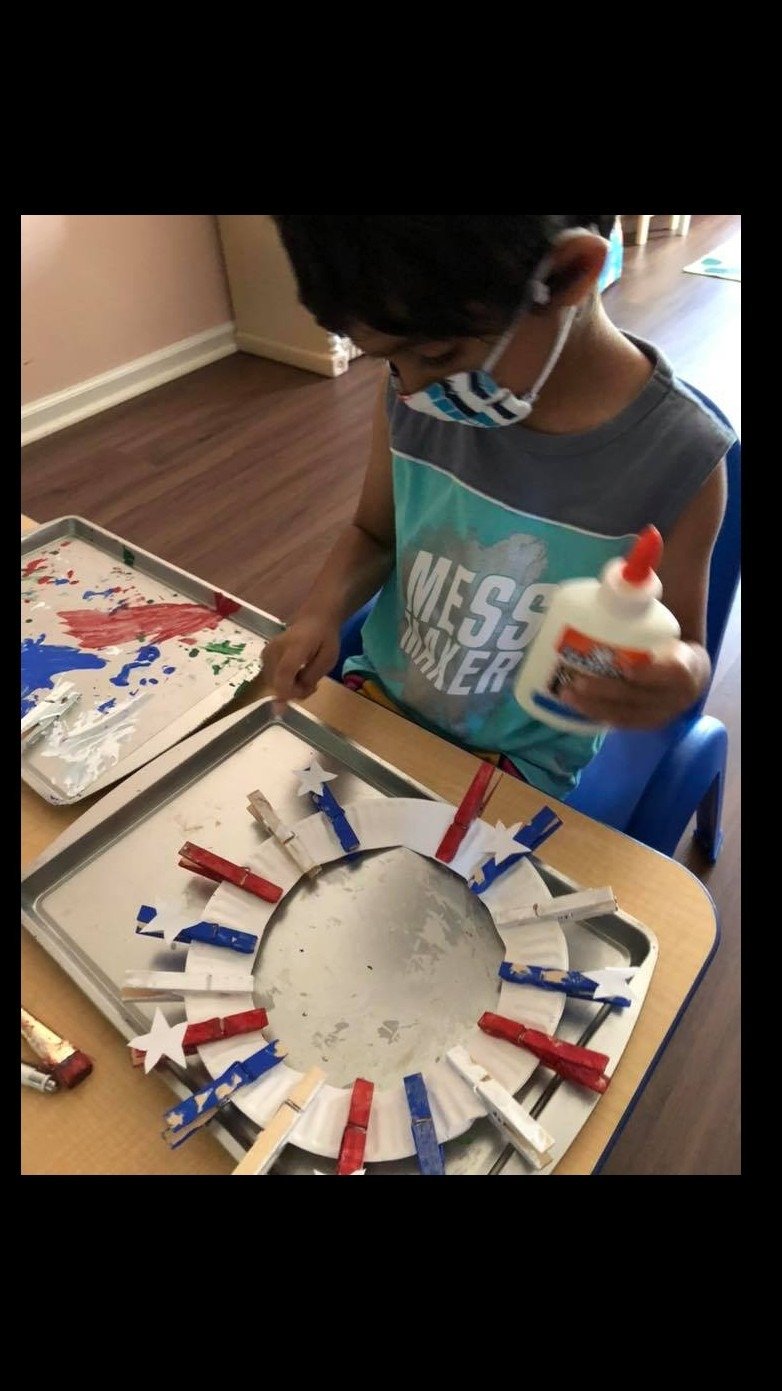
For parents weighing childcare and early education options, this research offers a useful lens. It suggests that the value of early childhood programs lies less in advanced academic content and more in consistent, responsive, language-rich environments where children can build secure relationships with caregivers and explore the world through play. Simple daily activities, such as reading together, naming objects during a walk, or working through a mild frustration with support rather than punishment, contribute meaningfully to the brain architecture being built during these years.
Experts also caution against the idea that early opportunities are the only ones that matter. The brain retains plasticity well beyond age five, and children continue to grow and adapt throughout life. However, researchers agree that it is generally easier and more effective to support healthy development early than to address gaps later on.
As more research continues to clarify how early experiences shape the brain, the underlying message for families remains consistent: the first five years are a uniquely important period for growth, and the quality of a child’s everyday environment during that window plays a lasting role in their future learning, health, and well-being.
RisingStars Childcare
35 Knox Ct
Plainsboro Township
New Jersey
08536
United States


