Key Takeaways
- US patients traveling abroad for medical care prioritize trust and credibility alongside cost savings, making international accreditation and transparent communication vital for medical tourism success.
- Joint Commission International (JCI) accreditation serves as the “gold standard” for American patients evaluating international medical facilities, providing immediate credibility in a competitive market.
- Authentic video testimonials and professional before-and-after documentation create powerful social proof that drives patient decisions more effectively than traditional promotional approaches.
- Building authority through independent validation and third-party platforms reduces patient skepticism and positions clinics as established choices rather than unknown options.
- Transparent pricing and clear legal frameworks eliminate decision friction and address the primary concerns US patients have about seeking care abroad.
When American patients consider traveling thousands of miles for medical treatment, they’re not just evaluating procedures – they’re assessing trust. The global medical tourism market was valued at approximately USD 53.28 billion in 2024 and is projected to reach USD 165.50 billion by 2032, growing at a CAGR of 15.12%. This market continues growing because international facilities recognize that both credibility and pricing play a role in attracting patients. Success in attracting US patients requires a structured approach that addresses their specific concerns about safety, quality, and legal protection when seeking care abroad.
US Patients Demand Ironclad Trust Before Traveling Abroad
American patients approach international healthcare with natural skepticism rooted in legitimate concerns. They’re leaving behind familiar insurance networks, legal frameworks, and healthcare systems they understand. This psychological barrier means that cost savings alone won’t drive their decisions – they need overwhelming evidence that the care they’ll receive matches or exceeds domestic standards.
The decision-making process for US medical tourists involves extensive research phases where patients evaluate not just clinical outcomes, but the entire ecosystem surrounding their care. They scrutinize doctor credentials, facility accreditations, patient reviews, and legal protections with with high attention to detail.. Addressing this challenge means establishing trust signals before patients even begin price comparisons, positioning facilities as established authorities rather than unknown alternatives.
For medical facilities, this means traditional marketing approaches fall short. Patients aren’t looking for promotional messages — they’re seeking independent validation that reduces their perceived risk. When American patients see a clinic’s name only on its own website, they interpret it as self-promotion. When they encounter that same name across independent platforms and trusted third-party sources, they see they see it as established.
JCI Accreditation: Your Golden Ticket to American Trust
Why Joint Commission International is a Highly Recommended Standard for US Patients
Joint Commission International accreditation represents the closest international equivalent to US healthcare standards that American patients recognize and trust. JCI’s rigorous evaluation process covers patient safety, quality of care, and operational excellence, with standards that are comparable to and aligned with those governing top-tier American hospitals, though adapted for international contexts. For US patients, seeing JCI accreditation immediately signals that an international facility meets familiar quality benchmarks.
The psychological impact of JCI accreditation is significant. When patients research international options, JCI certification acts as a cognitive shortcut that reduces decision anxiety. It transforms the evaluation from “Can I trust this unknown facility?” to “This facility meets standards I already understand.” This shift in perception is vital for medical tourists who need confidence to overcome the natural hesitation of seeking care far from home.
How to Showcase Your Credentials Effectively
Displaying JCI accreditation requires clear placement and clear communication about what it means. Rather than simply posting logos, effective medical tourism providers explain the accreditation process, highlight specific areas where they exceeded standards, and connect their certification to patient benefits. This educational approach builds understanding while reinforcing credibility.
Visual presentation matters significantly in credential showcasing. High-quality images of certificates, awards ceremonies, and accreditation visits create tangible proof of achievement. Video tours highlighting JCI-compliant safety protocols, sterilization procedures, and quality control measures help patients visualize the standards they can expect. These materials should be prominently featured across websites, social media, and patient communication materials.
Doctor Qualifications That Matter Most: Board Certification and Specialized Training
American patients pay particular attention to physician credentials, especially training received in the United States or Europe. Board certifications from recognized international bodies, fellowship training at prestigious institutions, and ongoing education demonstrate a commitment to excellence that resonates with US healthcare expectations. Detailed physician biographies should highlight not just qualifications, but the specific training experiences that align with American medical standards.
Publication records, research contributions, and speaking engagements at international conferences add additional credibility layers. When physicians have presented at American medical conferences or published in journals that US doctors recognize, this creates an immediate professional connection and trust. These achievements should be prominently featured in physician profiles and marketing materials.
Digital Authority Building Beyond Your Website
1. Use Digital Strategy to Reach Patients in High-Cost US Regions
Strategic digital positioning for medical tourism focuses on geographic regions where healthcare costs create the strongest motivation for international travel. California, New York, and major metropolitan areas with expensive medical care represent prime targets for well-executed campaigns. Search engine optimization should target specific procedures combined with location-based keywords that American patients actually use when researching international options.
Pay-per-click advertising campaigns work most effectively when they target specific procedures and demographic groups. Dental implants, cosmetic surgery, and orthopedic procedures represent high-opportunity areas where cost savings justify international travel. Retargeting campaigns keep facilities visible to patients who have already shown interest, maintaining presence during the extended research periods typical of medical tourism decisions.
2. Use Independent Medical Platforms
Independent medical platforms provide vital third-party validation that patients trust more than facility-owned communications. Platforms like PlacidWay, Medical Tourism Association directories, and specialized procedure databases offer neutral environments where patients research options without feeling pressured by sales messaging. Active participation in these platforms, including detailed profiles and regular updates, increases visibility among serious medical tourists.
The key advantage of independent platforms lies in their perceived neutrality. When patients find facility information through these sources, they feel they’re finding options rather than persuasion. This psychological difference significantly impacts trust formation and decision-making speed. Consistent presence across multiple independent platforms creates the appearance of established authority within the medical tourism ecosystem.
3. Cultivate Third-Party Validation and Media Mentions
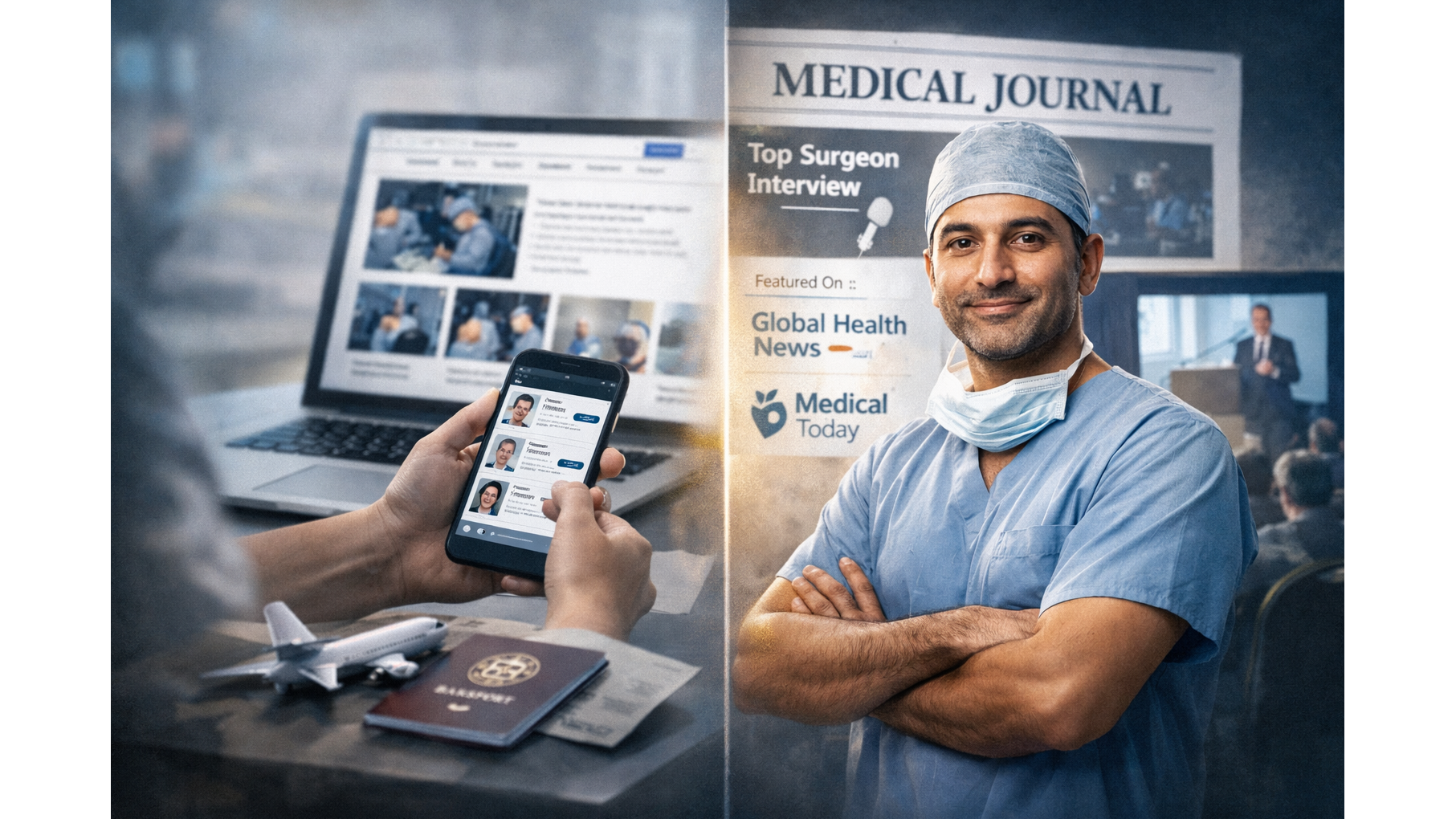
Media coverage from health journalists, medical tourism publications, and industry expert interviews provides powerful credibility signals that patients value highly. These mentions carry more weight than advertising because they reflect external evaluation.
Facilities should actively engage with medical tourism media through expert commentary, case study sharing, and thought leadership contributions.
Industry awards, recognition from medical tourism associations, and inclusion in “best of” lists create ongoing validation opportunities. These achievements should be used across all marketing channels, creating a compound effect where multiple sources reinforce the same credibility message. The goal is to create an environment where potential patients encounter positive mentions from various independent sources during their research process.
Video Testimonials and Social Proof That Actually Work
Authentic Patient Stories Drive Decisions
Video testimonials from American patients carry exceptional weight because they address the exact concerns prospective patients experience. These testimonials work best when they cover the entire patient experience – from initial research and decision-making through treatment and recovery. Patients want to hear about communication quality, facility cleanliness, staff professionalism, and post-treatment support from people who share their cultural background and expectations.
Effective testimonials avoid overly promotional language and include honest discussions of challenges alongside positive outcomes. Patients trust reviews that acknowledge minor inconveniences or adjustments while emphasizing overall satisfaction. High-quality video production, clear audio, and professional editing demonstrate attention to detail that reflects facility standards. These testimonials should be easily accessible across websites, social media, and patient inquiry responses.
Professional Before-and-After Documentation for Visual Procedures
For cosmetic and dental procedures, professional before-and-after photography provides vital visual evidence of clinical capabilities. These images must meet high standards for lighting, angles, and consistency to be credible to American patients accustomed to sophisticated medical marketing. Standardized photography protocols ensure fair representation while showcasing optimal results.
Documentation should include diverse patient demographics to help potential patients identify with previous cases. Age, ethnicity, and procedure complexity variations demonstrate broad expertise and inclusive care capabilities. Timeline documentation showing healing progression helps patients set realistic expectations and understand the complete treatment process. Professional photography investment pays significant dividends in patient confidence and decision acceleration.
Transparency and Legal Safety Build Unshakeable Confidence
Transparent pricing eliminates the hidden fee concerns that create decision barriers for US patients. Package pricing should include all medical costs, facility fees, and associated services, with clear explanations of what each component covers. This transparency extends to payment options, insurance coordination possibilities, and financial assistance programs that help patients plan their medical tourism investment.
Legal framework clarity addresses fundamental security concerns American patients have about seeking care abroad. Clear explanations of patient rights, malpractice insurance coverage, and legal recourse options provide needed confidence-building. Partnerships with legal professionals who understand both local and international patient rights create additional assurance layers. These protections should be prominently communicated and easily accessible to prospective patients.
Communication protocols that ensure patients understand their legal position, treatment agreements, and post-care responsibilities eliminate uncertainty that can derail medical tourism decisions. Regular updates during treatment, clear discharge instructions, and established follow-up protocols demonstrate professional standards that match or exceed patient expectations from their home healthcare systems.
For international clinics looking to grow their presence in the US market, the path forward starts with trust — building it systematically, well before a patient ever picks up the phone.
JCH Digital
Blair Street
Quesnel
British Columbia
V2J 5H1
Canada